
Fitness refers to your body’s ability to carry out daily tasks with energy, strength, and endurance. Physical fitness includes multiple components such as cardiovascular endurance, muscular strength, flexibility, and body composition. Improving your fitness level supports both physical health and mental well-being, and beginners can start with simple, consistent activity.
Most people assume fitness means having a six-pack or being able to run a marathon. It does not. Fitness is far more practical than that. It is about how well your body functions during everyday life, from climbing stairs without getting winded to lifting grocery bags without straining your back.
If you are new to exercise, the sheer volume of information out there can feel overwhelming. Gym routines, protein shakes, HIIT workouts, and influencer advice compete for your attention at every scroll. But getting fit does not have to be complicated, especially at the beginning.
This guide breaks down what fitness actually means, why it matters, and how to start building it from scratch. By the end, you will have a clear understanding of the components of fitness, the benefits of being active, common beginner mistakes to avoid, and how to put together a simple routine that works for your life.
What Is Fitness?
Fitness, in its simplest form, is the ability of the body to perform physical tasks effectively and efficiently. The World Health Organization defines physical activity as any bodily movement produced by skeletal muscles that requires energy expenditure. Fitness is the result of regular physical activity over time.
It is worth separating three terms that are often used interchangeably but mean different things.
Physical activity refers to any movement your body makes, including walking to the shops or doing housework. Exercise is structured, planned physical activity done with a specific goal in mind, such as going for a run or attending a yoga class. Fitness is the outcome. It is the level of physical capability your body develops through consistent activity and exercise.
Understanding this distinction matters because fitness is not something that happens only in a gym. It is built through habits, movement, and consistency over time.
Why Is Fitness Important?
The importance of fitness extends well beyond aesthetics. Regular physical activity has been linked to a wide range of health outcomes that affect how you feel, function, and age.
Supports overall health. According to the Centers for Disease Control and Prevention (CDC), regular physical activity reduces the risk of heart disease, type 2 diabetes, and certain cancers.
Improves energy and stamina. Exercise strengthens the cardiovascular system, which means your heart and lungs become more efficient at delivering oxygen to your muscles. That translates into more energy throughout the day.
Helps maintain a healthy body weight. Combined with a balanced diet, regular exercise supports a healthy metabolism and helps the body manage weight more effectively.
Supports mental well-being. Physical activity triggers the release of endorphins, dopamine, and serotonin, which are chemicals in the brain associated with improved mood, reduced anxiety, and better sleep.
Improves strength, mobility, and independence. Building strength and flexibility helps you move better and reduces the risk of injury, particularly as you age.
Reduces the risk of certain health problems. The CDC reports that adults who engage in regular physical activity have a lower risk of depression, cognitive decline, and premature death.
What Are the Main Components of Fitness?
Physical fitness is not a single quality. It is made up of several distinct components, each of which contributes to your overall fitness level.
Cardiovascular Endurance
Cardiovascular endurance refers to how efficiently your heart and lungs deliver oxygen to your muscles during sustained activity. Strong cardiovascular endurance means you can exercise for longer periods without feeling exhausted. Activities that build it include walking, jogging, swimming, cycling, and dancing.
Muscular Strength
Muscular strength is the maximum force your muscles can exert in a single effort. Think of it as how much you can lift or push. Building muscular strength improves posture, supports joint health, and makes daily tasks easier. Exercises that develop strength include weightlifting, resistance band training, and bodyweight movements like push-ups.
Muscular Endurance
Muscular endurance differs from strength. Rather than how much force your muscles can produce in one go, endurance measures how long your muscles can sustain repeated contractions. Activities like cycling, rowing, and performing multiple sets of bodyweight exercises develop muscular endurance.
Flexibility
Flexibility refers to the range of motion available in your joints and muscles. Good flexibility reduces the risk of injury, improves posture, and supports recovery. Static stretching, yoga, and Pilates are all effective ways to improve flexibility.
Body Composition
Body composition describes the ratio of fat mass to lean mass in the body. A healthy body composition does not necessarily mean being thin. It means having an appropriate proportion of muscle, bone, water, and fat relative to your size. Body composition is one component of overall fitness, not the only measure of it.
Balance and Coordination
Balance and coordination are often overlooked but are essential for everyday movement. Good balance reduces the risk of falls and supports functional strength. Beginner-friendly activities that develop balance include yoga, tai chi, walking on uneven surfaces, and single-leg exercises.
What Are the Different Types of Exercise?
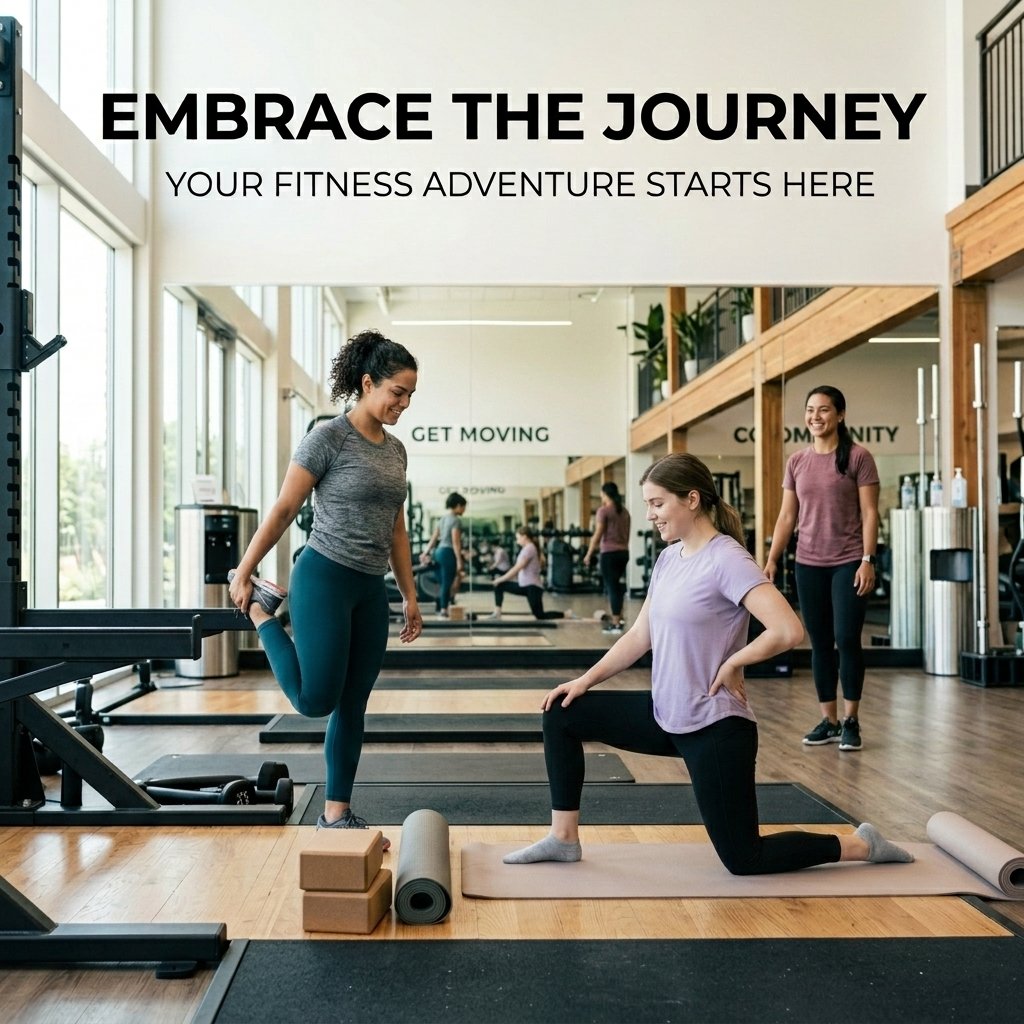
Understanding the main types of exercise helps you build a well-rounded fitness routine.
Aerobic or cardio exercise raises your heart rate and improves cardiovascular endurance. Examples include brisk walking, jogging, swimming, and cycling.
Strength training uses resistance to build muscular strength and endurance. This includes weightlifting, resistance bands, and bodyweight exercises.
Flexibility and mobility exercises improve range of motion and reduce muscle tension. Stretching routines and yoga classes fall into this category.
Balance exercises improve stability and coordination. These are particularly valuable for older adults and those recovering from injury.
Functional exercises mimic movements used in everyday life, such as squatting, lunging, and carrying. Functional training improves how well your body performs outside the gym.
What Are the Benefits of Being Fit?
The benefits of fitness span nearly every area of your life.
Physical benefits include a stronger heart, healthier lungs, increased muscle mass, improved bone density, better posture, and greater endurance.
Mental and emotional benefits include reduced symptoms of anxiety and depression, improved self-confidence, and a greater sense of well-being. A 2019 review published in JAMA Psychiatry found that physical activity was associated with a significant reduction in the odds of developing depression.
Better daily performance. Fit individuals tend to have more energy, sharper focus, and greater resilience throughout the day.
Improved sleep. Regular exercise has been shown to improve sleep quality and reduce the time it takes to fall asleep.
Long-term health benefits. Consistent physical activity across a lifetime is associated with reduced risk of chronic disease, slower physical decline, and better quality of life in older age.
How Can Beginners Start Getting Fit?
Starting a fitness journey does not require a gym membership or a strict training plan. Here is a practical approach for beginners.
Set realistic fitness goals. Rather than aiming for dramatic transformation, focus on small, achievable targets, such as walking 20 minutes three times per week.
Start with manageable workouts. Overexerting yourself in the first week is one of the most common mistakes beginners make. Begin at a comfortable intensity and build gradually.
Choose activities you enjoy. Sustainable fitness comes from doing things you actually like. If you hate running, try swimming or dancing instead.
Build consistency gradually. Frequency matters more than intensity at the start. Showing up regularly, even for short sessions, builds the habit that makes long-term progress possible.
Include different types of exercise. Combining cardio, strength, and flexibility work produces better overall results than focusing on one type alone.
Prioritize rest and recovery. Muscles grow and repair during rest, not during exercise. Rest days are not optional extras. They are essential to progress.
Track your progress. Keeping a simple log of your workouts helps you see how far you have come and stay motivated.
How Often Should Beginners Exercise?
The U.S. Department of Health and Human Services recommends that adults aim for at least 150 minutes of moderate intensity aerobic activity per week, along with muscle-strengthening activities on two or more days per week.
For beginners, a practical starting point might look like this:
- Monday: 20-minute walk and basic bodyweight exercises
- Wednesday: Light stretching or yoga
- Friday: 20-minute walk and bodyweight exercises
- Sunday: Active recovery such as a gentle stroll or swimming
Gradual progression is key. Add five minutes to your sessions each week rather than doubling your workload all at once. Rest and recovery are just as important as the workouts themselves.
Simple Fitness Exercises for Beginners

These exercises require no equipment and can be done at home.
- Walking: The most accessible form of exercise. Start with 15 to 20 minutes and build from there.
- Squats: Strengthen the legs and glutes. Keep your chest up and lower as if sitting into a chair.
- Lunges: Improve balance and lower body strength. Step forward with one leg and lower your back knee toward the floor.
- Push-ups or modified push-ups: Build upper body and core strength. Modified push-ups done from the knees are a great starting point.
- Planks: Strengthen the core. Hold for 20 seconds and build up over time.
- Glute bridges: Target the glutes and lower back. Lie on your back, bend your knees, and lift your hips toward the ceiling.
- Light cycling: Low impact and great for cardiovascular endurance.
- Basic stretching: Stretch major muscle groups at the end of each session to improve flexibility and support recovery.
Common Fitness Mistakes Beginners Should Avoid
Doing too much too soon. Jumping into intense daily workouts leads to burnout and injury. Start slow and scale up.
Focusing only on weight loss. Fitness improves strength, energy, sleep, and mental health. Fixating on the scale ignores most of the picture.
Ignoring strength and mobility. Many beginners stick exclusively to cardio. A balanced routine that includes strength and flexibility work produces better long-term results.
Skipping warm-ups and recovery. A five-minute warm-up before exercise and a cool-down afterward reduce injury risk and support recovery.
Comparing yourself to others. Progress is personal. Someone else’s pace, weight, or ability is irrelevant to your journey.
Expecting immediate results. Meaningful fitness improvements typically take four to eight weeks of consistent effort to become noticeable. Patience is part of the process.
How to Create a Simple Beginner Fitness Routine
A well-structured session does not need to be long. Here is a basic framework:
- Warm-up (5 minutes): Light walking, arm circles, or gentle marching in place
- Cardio (10 to 15 minutes): Brisk walking, cycling, or any aerobic activity
- Strength exercises (10 to 15 minutes): Squats, push-ups, lunges, glute bridges
- Mobility and stretching (5 minutes): Hold each stretch for 20 to 30 seconds
- Cool-down (5 minutes): Slow walking and deep breathing
Example weekly routine for beginners:
| Day | Activity |
|---|---|
| Monday | Full body workout (30 minutes) |
| Tuesday | Rest or light walking |
| Wednesday | Cardio and stretching (25 minutes) |
| Thursday | Rest |
| Friday | Full body workout (30 minutes) |
| Saturday | Active recovery (yoga or walking) |
| Sunday | Rest |
Fitness vs. Health: What Is the Difference?
Fitness and health are closely linked but not the same thing. Health refers to a broader state of physical, mental, and social well-being. Fitness is one component of health, specifically the physical dimension.
A person can be fit and still struggle with mental health challenges. Equally, someone with a chronic illness may maintain a strong fitness level relative to their condition. This is why the meaning of fitness should never be reduced to appearance alone.
Being fit contributes to health, but overall well-being also depends on nutrition, sleep, stress management, and social connection. Physical fitness supports the whole picture. It does not complete it on its own.
Frequently Asked Questions About Fitness
What is fitness in simple words?
Fitness is the body’s ability to carry out daily tasks with energy, strength, and endurance. It is built through regular physical activity and includes components such as cardiovascular endurance, muscular strength, flexibility, and body composition.
Why is fitness important?
Fitness is important because it supports physical health, improves mental well-being, increases energy levels, and reduces the risk of chronic diseases such as heart disease and type 2 diabetes. According to the CDC, regular physical activity also improves mood and cognitive function.
What are the 5 main components of fitness?
The five main components of fitness are cardiovascular endurance, muscular strength, muscular endurance, flexibility, and body composition. Some frameworks also include balance and coordination as an additional component of overall fitness.
How can a beginner start getting fit?
Beginners can start by setting small, realistic goals and choosing activities they enjoy. Starting with two to three sessions per week, each lasting 20 to 30 minutes, builds a sustainable habit. A combination of walking, bodyweight exercises, and stretching is an effective and accessible starting point.
How long does it take to get fit?
Most beginners notice improvements in energy and mood within two to three weeks of consistent activity. Physical changes such as increased strength and endurance typically become more noticeable after four to eight weeks, according to general exercise science principles.
What is the best exercise for beginners?
Walking is widely considered the best exercise for beginners because it is low impact, requires no equipment, and can be done almost anywhere. Combining walking with basic bodyweight movements like squats, push-ups, and planks creates a well-rounded starting routine.
Can I get fit without going to the gym?
Yes. A gym is not required to build fitness. Bodyweight exercises, walking, cycling, yoga, and home workouts can all produce meaningful improvements in fitness level when done consistently.
Start Small, Stay Consistent
Fitness is not a destination. It is a practice. The goal is not to become an elite athlete overnight but to build habits that support your body and mind for the long term.
Every walk counts. Every stretch counts. Every workout, no matter how short, moves you forward. The most important step is the first one, and the most powerful tool you have is consistency.
Start where you are, use what you have, and build from there.
Comments