
Digital marketing is the promotion of products, services, or brands through digital channels such as search engines, social media, email, and websites. It helps businesses of all sizes reach targeted audiences, measure performance in real time, and generate leads and sales more cost-effectively than traditional marketing methods.
Marketing has always been about reaching the right people with the right message. The difference now? The places where people spend their time have shifted dramatically. Billions of people browse the web, scroll through social media feeds, open emails, and watch videos every single day. That shift has made digital marketing one of the most powerful tools available to businesses of every size.
So what exactly is digital marketing, and how does it work? This guide breaks it all down, from the basic definition to the types of digital marketing, the tools professionals use, and how you can get started as a beginner.
By the end of this guide, you will have a clear picture of what digital marketing is, why it matters, and how to take your first steps with confidence.
What Is Digital Marketing?
Digital marketing is the practice of promoting products, services, or brands through online channels and digital technologies. This includes everything from ranking a website on Google to running paid ads on Facebook to sending a promotional email campaign.
At its core, digital marketing connects businesses with potential customers where those customers already spend their time: online.
How Does Digital Marketing Work?
Digital marketing works by using data, content, and digital platforms to attract, engage, and convert audiences into customers. A business might publish a blog post optimized for search engines, run a targeted Instagram ad, or send a personalized email series, each designed to move a potential customer closer to a purchase.
Unlike traditional marketing, digital marketing allows for two-way communication. Customers can like, comment, share, reply, and interact directly with brands, creating relationships that go far beyond a one-way broadcast.
Digital Marketing vs. Traditional Marketing
Traditional marketing relies on channels like TV, radio, print, and billboards. Digital marketing uses online platforms. Here is how they compare:
| Factor | Digital Marketing | Traditional Marketing |
|---|---|---|
| Channels | Search engines, social media, email, websites | TV, radio, print, outdoor |
| Targeting | Precise, data-driven | Broad, demographic-based |
| Cost | Often lower entry cost | Typically higher cost |
| Measurement | Real-time analytics | Difficult to measure accurately |
| Reach | Global | Primarily local or regional |
| Interaction | Two-way engagement | One-way broadcast |
Examples of Digital Marketing
- A bakery ranking on the first page of Google for “best sourdough in Chicago”
- A clothing brand running sponsored posts on Instagram
- An online course creator sending a weekly email newsletter
- A software company running Google Ads targeting specific search terms
- A fitness influencer promoting a supplement brand to their audience
Why Is Digital Marketing Important?
Digital marketing levels the playing field. A small business can compete with a large corporation online in ways that simply were not possible with traditional marketing.
Here is why digital marketing matters for businesses today:
- Reach a larger audience: The internet has no geographic limits. Your business can attract customers from across the city, the country, or the world.
- Target specific customers: Digital tools allow you to reach people based on age, location, interests, search behavior, and more.
- Cost-effective marketing: Running a Google Ad or social media campaign costs far less than a TV commercial or print ad spread.
- Build brand awareness: Consistent online visibility keeps your brand top-of-mind for potential customers.
- Generate leads and sales: Digital channels are designed to guide people from awareness to action, whether that is signing up, booking a call, or completing a purchase.
- Measure marketing performance: Every click, impression, and conversion can be tracked, giving you clear insight into what works.
- Build long-term customer relationships: Email marketing, social media, and content marketing help nurture ongoing connections with your audience.
How Does Digital Marketing Work?
Every successful digital marketing campaign follows a similar process. Here is how it breaks down step by step:
- Identify the target audience: Who are you trying to reach? Define their demographics, interests, and online behaviors.
- Set marketing goals: What does success look like? More website traffic? More leads? Increased sales?
- Choose the right digital channels: Not every platform suits every business. Pick the channels where your audience spends time.
- Create valuable content or offers: Give your audience a reason to engage, whether that is a helpful blog post, a free resource, or an irresistible promotion.
- Reach and engage the audience: Publish, advertise, and distribute your content through chosen channels.
- Measure results: Use analytics tools to track performance against your goals.
- Optimize the campaign: Use your data to improve. Test new approaches, cut what is not working, and double down on what delivers results.
What Are the Different Types of Digital Marketing?
Digital marketing is not one single thing. It is an umbrella term that covers many different channels and strategies. Here are the most important types to know.
Search Engine Optimization (SEO)
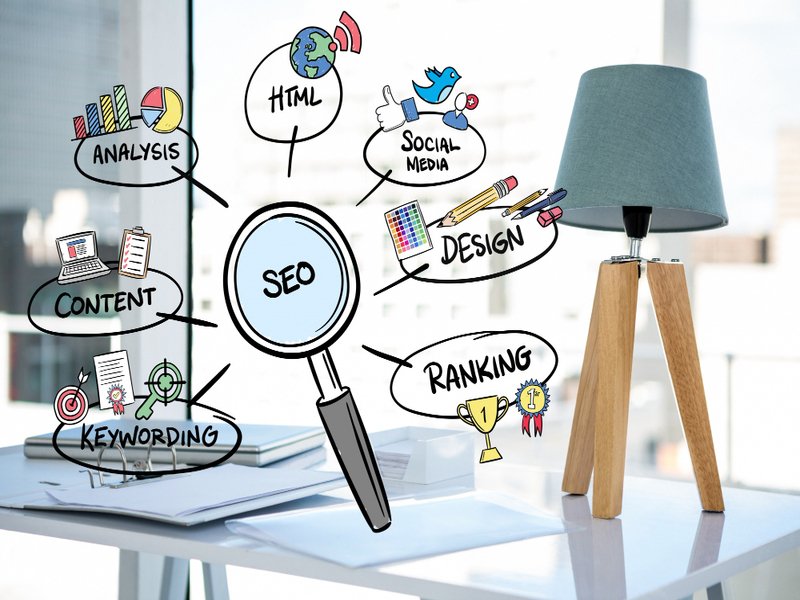
Search engine optimization, or SEO, is the process of improving a website’s visibility in organic (unpaid) search engine results. When someone types a question into Google, SEO determines which websites appear at the top of the results page.
Basic SEO practices include:
- Using relevant keywords in your content and headings
- Building high-quality backlinks from other reputable websites
- Ensuring your website loads quickly and works well on mobile devices
- Creating helpful, authoritative content that answers user questions
SEO is a long-term strategy, but it drives consistent, high-quality traffic without paying for every click.
Content Marketing
Content marketing is the creation and distribution of valuable content designed to attract, educate, and engage a target audience. Rather than promoting a product directly, content marketing builds trust by offering genuine value.
Common content marketing formats include:
- Blog posts and articles
- Guides and ebooks
- Videos and webinars
- Infographics and case studies
- Podcasts
Great content marketing positions a business as a trusted authority in its field, which makes customers more likely to buy when they are ready.
Social Media Marketing
Social media marketing involves promoting a brand, product, or service through platforms like Instagram, Facebook, LinkedIn, TikTok, and X (formerly Twitter).
Social media marketing has two main approaches:
- Organic: Publishing regular posts, stories, and videos to grow a following and drive engagement without paid promotion
- Paid: Running targeted advertising campaigns to reach specific audiences based on location, interests, and behavior
Building an engaged social media audience creates a direct line of communication between a brand and its customers.
Search Engine Marketing and PPC
Pay-per-click advertising, or PPC marketing, is a form of paid online advertising where businesses bid to display ads on search engines like Google. The advertiser pays each time someone clicks on their ad.
Search engine marketing (SEM) refers broadly to paid search advertising. Google Ads is the most widely used platform, allowing businesses to appear at the top of search results for specific keywords immediately, rather than waiting months for organic SEO results to take effect.
PPC campaigns work well for:
- Promoting time-sensitive offers
- Driving traffic to a new website
- Capturing high-intent customers who are actively searching for a solution
Email Marketing
Email marketing involves sending targeted messages directly to a subscriber list. It is one of the highest-return-on-investment digital marketing channels available, offering an average ROI of $36 for every $1 spent, according to Litmus (2023).
Email marketing use cases include:
- Weekly newsletters that deliver value and keep subscribers engaged
- Promotional campaigns announcing sales or new products
- Automated lead nurturing sequences that guide subscribers toward a purchase
Affiliate Marketing
Affiliate marketing is a performance-based strategy where businesses partner with affiliates (publishers, bloggers, or creators) who promote their products in exchange for a commission on each sale or lead generated.
The business benefits from extended reach without upfront advertising costs. The affiliate earns passive income by recommending products they trust. Both parties win when the partnership is a good fit.
Influencer Marketing
Influencer marketing involves brands collaborating with social media creators who have established, engaged audiences. Influencers promote products or services in a way that feels authentic to their followers.
Influencer marketing ranges from mega-influencers with millions of followers to micro-influencers with smaller, highly engaged niche audiences. Micro-influencer campaigns often deliver stronger engagement rates and more targeted reach at a lower cost.
Video Marketing

Video marketing uses video content to attract, educate, and convert audiences. Video is consistently one of the most engaging content formats online.
Popular video marketing formats include:
- YouTube tutorials and product reviews
- Short-form videos on TikTok and Instagram Reels
- Live streams and webinars
- Product demo videos on websites
- Customer testimonial videos
Mobile Marketing
Mobile marketing targets users on their smartphones and mobile devices. With mobile devices accounting for more than 60% of global web traffic, this channel is no longer optional for most businesses.
Mobile marketing includes:
- SMS and text message campaigns
- In-app advertising
- Mobile-optimized websites and landing pages
- Push notifications from apps
What Are the Benefits of Digital Marketing?
The benefits of digital marketing go well beyond simply “being online.” Here is what makes it such a valuable investment:
- Global reach: A small business can attract international customers with no physical expansion required.
- Precise audience targeting: Reach people based on demographics, interests, search intent, and behavior.
- Lower entry costs: Digital campaigns can start small and scale as results improve.
- Measurable results: Track every metric, from clicks to conversions to revenue, in real time.
- Personalization: Deliver tailored messages to different audience segments based on their preferences and behaviors.
- Better customer engagement: Social media, email, and live chat create ongoing conversations between brands and customers.
- Scalability: Campaigns that work can be scaled up quickly without a complete overhaul.
Digital Marketing vs. Traditional Marketing
Both approaches have their place, but the differences matter significantly depending on your goals and budget.
Traditional marketing excels at broad brand awareness. A billboard or TV commercial reaches a wide audience quickly. The trade-off is cost, limited targeting, and difficulty measuring impact accurately.
Digital marketing offers precision. You can reach a 28-year-old fitness enthusiast in Austin who has searched for “protein powder” in the past week. You can measure exactly how many people saw your ad, clicked it, and purchased as a result.
For most small and medium-sized businesses, digital marketing offers a far better return on a limited budget. That said, the most effective strategies often combine both approaches strategically.
What Is a Digital Marketing Strategy?
A digital marketing strategy is a documented plan that outlines how a business will use digital channels to achieve its marketing goals. Without a strategy, marketing efforts tend to be scattered, inconsistent, and difficult to measure.
A strong digital marketing strategy includes:
- SMART goals: Specific, Measurable, Achievable, Relevant, and Time-bound objectives (e.g., “increase organic website traffic by 30% in six months”)
- Target audience definition: A clear picture of who you are trying to reach, including demographics and online behaviors
- Competitor research: An analysis of what competitors are doing well and where gaps exist
- Channel selection: Choosing the platforms and tactics that align with your audience and goals
- Content plan: A schedule for creating and distributing content across chosen channels
- Budget allocation: Deciding how much to invest in each channel
- Performance tracking: Defining the key metrics that will measure success
A well-built digital marketing strategy for small businesses ensures every effort connects back to a measurable goal.
How to Start Digital Marketing as a Beginner
Getting started with digital marketing does not require a formal degree or a massive budget. Here is a practical roadmap for beginners:
- Learn the fundamentals: Start with free resources like Google’s Digital Garage, HubSpot Academy, and Coursera to build foundational knowledge.
- Choose an area to specialize in: SEO, content marketing, social media, and email marketing are all great starting points.
- Learn basic SEO and content marketing: These two disciplines underpin almost every other digital marketing channel.
- Understand social media platforms: Learn how different platforms work and which audiences use them.
- Learn analytics and performance tracking: Google Analytics 4 (GA4) is free and essential for understanding website performance.
- Practice with a personal project: Start a blog, run a small ad campaign, or manage social media for a local business.
- Build a portfolio: Document your results, even from personal projects, to show potential clients or employers what you can do.
- Keep learning and testing: Digital marketing evolves constantly. Stay curious and test new approaches regularly.
Essential Digital Marketing Skills
Building a career or running successful digital marketing campaigns requires a combination of technical and creative skills:
- SEO: Understanding how search engines rank content and how to optimize for organic visibility
- Content writing: Creating clear, engaging, and valuable written content
- Social media management: Planning, scheduling, and analyzing social media content
- Data analysis: Reading and interpreting analytics to make smarter decisions
- Email marketing: Building subscriber lists and crafting effective email sequences
- Paid advertising: Running and optimizing PPC campaigns on platforms like Google Ads and Meta Ads
- Copywriting: Writing persuasive content that motivates readers to take action
- Communication: Collaborating with clients, teams, and stakeholders clearly and effectively
- Basic design and video skills: Tools like Canva and CapCut make visual content creation accessible to non-designers
Common Digital Marketing Tools
The right tools make digital marketing faster and more effective. Here are the key categories:
- SEO tools: Ahrefs, SEMrush, Moz
- Website analytics tools: Google Analytics 4, Hotjar
- Keyword research tools: Google Keyword Planner, Ubersuggest, AnswerThePublic
- Social media management tools: Hootsuite, Buffer, Sprout Social
- Email marketing platforms: Mailchimp, Klaviyo, ActiveCampaign
- Content creation tools: Canva (design), CapCut (video), Grammarly (writing)
- Advertising platforms: Google Ads, Meta Ads Manager, LinkedIn Campaign Manager
Most of these tools offer free plans or trial periods, making it easy to get started without a large upfront investment.
How to Measure Digital Marketing Success
Data is the backbone of effective digital marketing. Here are the key metrics to track:
- Website traffic: The total number of visitors to your website and where they came from
- Click-through rate (CTR): The percentage of people who clicked your link or ad after seeing it
- Conversion rate: The percentage of visitors who completed a desired action (purchase, sign-up, inquiry)
- Cost per click (CPC): How much you pay for each click on a paid ad
- Cost per acquisition (CPA): How much it costs to acquire one customer through a specific channel
- Leads: The number of potential customers who expressed interest in your product or service
- Customer acquisition cost (CAC): The total cost of acquiring a new customer across all marketing efforts
- Return on investment (ROI): The revenue generated relative to the money spent on marketing
Tracking these digital marketing metrics consistently allows you to identify what is working, cut what is not, and invest more in high-performing strategies.
Common Digital Marketing Mistakes to Avoid
Even experienced marketers make these errors. Here is what to watch out for:
- Not defining a target audience: Marketing to everyone usually means reaching no one effectively.
- Trying every channel at once: Spreading resources too thin leads to mediocre results everywhere. Start focused.
- Ignoring SEO: Neglecting search engine optimization leaves significant organic traffic on the table.
- Creating content without a strategy: Publishing randomly without clear goals rarely drives business results.
- Focusing only on sales: Audiences disengage when every message is a promotion. Offer value first.
- Not tracking results: Without data, you are guessing. Always measure performance against defined goals.
- Expecting instant results: Channels like SEO and content marketing take time to build momentum. Patience is essential.
- Not optimizing campaigns: Launching a campaign and walking away guarantees underperformance. Test and refine consistently.
Digital Marketing in Action: Real-World Examples
Abstract strategies make more sense with real examples. Here is how digital marketing works in practice:
- SEO in action: A local plumbing company publishes blog posts answering common plumbing questions. Over time, those posts rank on Google, driving consistent, free traffic from homeowners searching for plumbing help.
- Social media marketing in action: A fashion brand posts daily Instagram Reels showcasing outfit ideas. Their organic reach grows steadily, and they run targeted paid ads to promote their seasonal sale to followers and lookalike audiences.
- Email marketing in action: An ecommerce brand sends an automated three-part email sequence to new subscribers, offering a welcome discount, a product recommendation based on browsing behavior, and a follow-up review request after purchase.
- PPC marketing in action: A software company runs Google Ads targeting the keyword “project management tool.” Their ad appears at the top of Google’s results page, driving high-intent visitors to a free trial landing page.
- Affiliate marketing in action: A personal finance blogger recommends a budgeting app in a detailed review. Every reader who signs up through the blogger’s unique link earns the blogger a commission.
Frequently Asked Questions About Digital Marketing
What is digital marketing in simple words?
Digital marketing is the promotion of a business, product, or service using the internet and digital devices. It includes channels like search engines, social media, email, and websites, used to reach and engage potential customers online.
What are the 7 types of digital marketing?
The main types of digital marketing are: search engine optimization (SEO), content marketing, social media marketing, pay-per-click advertising (PPC), email marketing, affiliate marketing, and influencer marketing. Additional types include video marketing and mobile marketing.
How does digital marketing work?
Digital marketing works by identifying a target audience, creating relevant content or offers, distributing that content through digital channels, and measuring performance through analytics. Campaigns are then refined based on data to improve results over time.
Why is digital marketing important?
Digital marketing is important because it allows businesses to reach large, targeted audiences at a lower cost than traditional marketing, measure results accurately, and build lasting relationships with customers through personalized, two-way communication.
Is digital marketing difficult to learn?
Digital marketing has a learning curve, but it is accessible to beginners. Many free courses and resources are available through platforms like Google, HubSpot, and Coursera. The key is to start with one area, practice consistently, and build skills over time.
How can a beginner start digital marketing?
A beginner can start by learning the fundamentals through free online courses, choosing a specialization such as SEO or social media marketing, and practicing on a personal project or blog. Building a portfolio of real results is the fastest path to career or business growth.
What skills are needed for digital marketing?
Core digital marketing skills include SEO, content writing, social media management, data analysis, email marketing, paid advertising, and copywriting. Soft skills like communication, creativity, and adaptability are equally valuable.
Can I learn digital marketing without a degree?
Yes. Digital marketing is a skills-based field. Many successful practitioners are self-taught or hold certifications from platforms like Google, HubSpot, and Meta. Practical experience and demonstrable results matter far more than formal qualifications.
How long does it take to learn digital marketing?
Learning the fundamentals of digital marketing takes roughly three to six months of consistent study and practice. Mastering specific channels or building a successful career typically takes one to two years of hands-on experience.
Start Where You Are and Build From There
Digital marketing is one of the most accessible and impactful ways to grow a business today. From search engine optimization to social media marketing to email campaigns, each channel offers a unique way to connect with the right audience at the right moment.
The biggest mistake beginners make is waiting until they know everything before starting. The reality is: you learn digital marketing by doing it. Pick one channel, commit to understanding it deeply, and build from there. Every expert started exactly where you are now.
We believe great digital marketing starts with smart strategy, creative thinking, and the right use of technology. Start small, stay consistent, and let your results guide the next step..
Comments